Rhinoplasty Specialist
Rhinoplasty Specialist
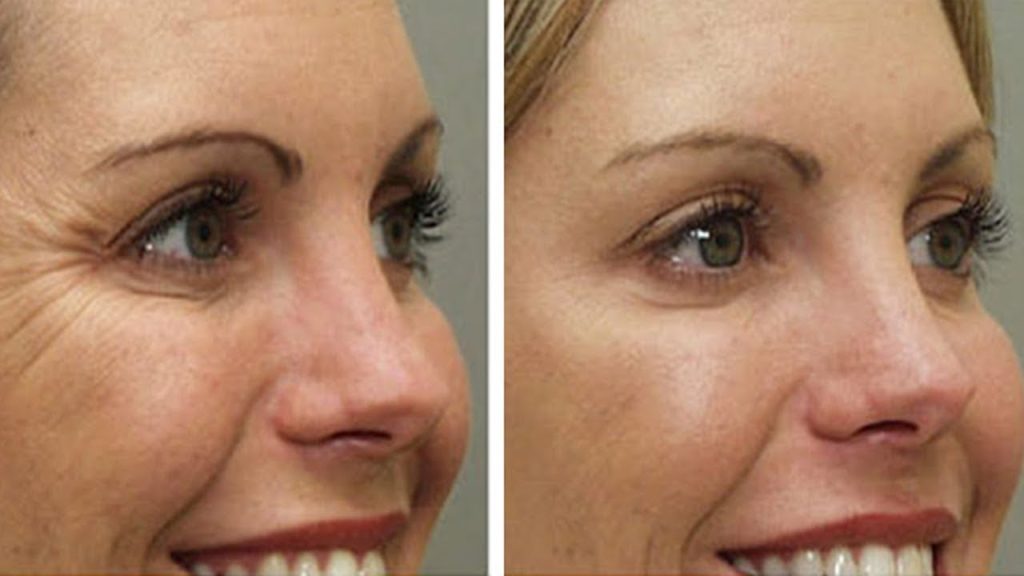
Botox is a medication that doctors have used for years to treat facial wrinkles. Botox is the brand name of a toxin produced by the bacterium Clostridium botulinum. Other brands such as Dysport and Xeomin also exist. The term “Botox” is the one you hear most often because it was the first injectable botulinum toxin.
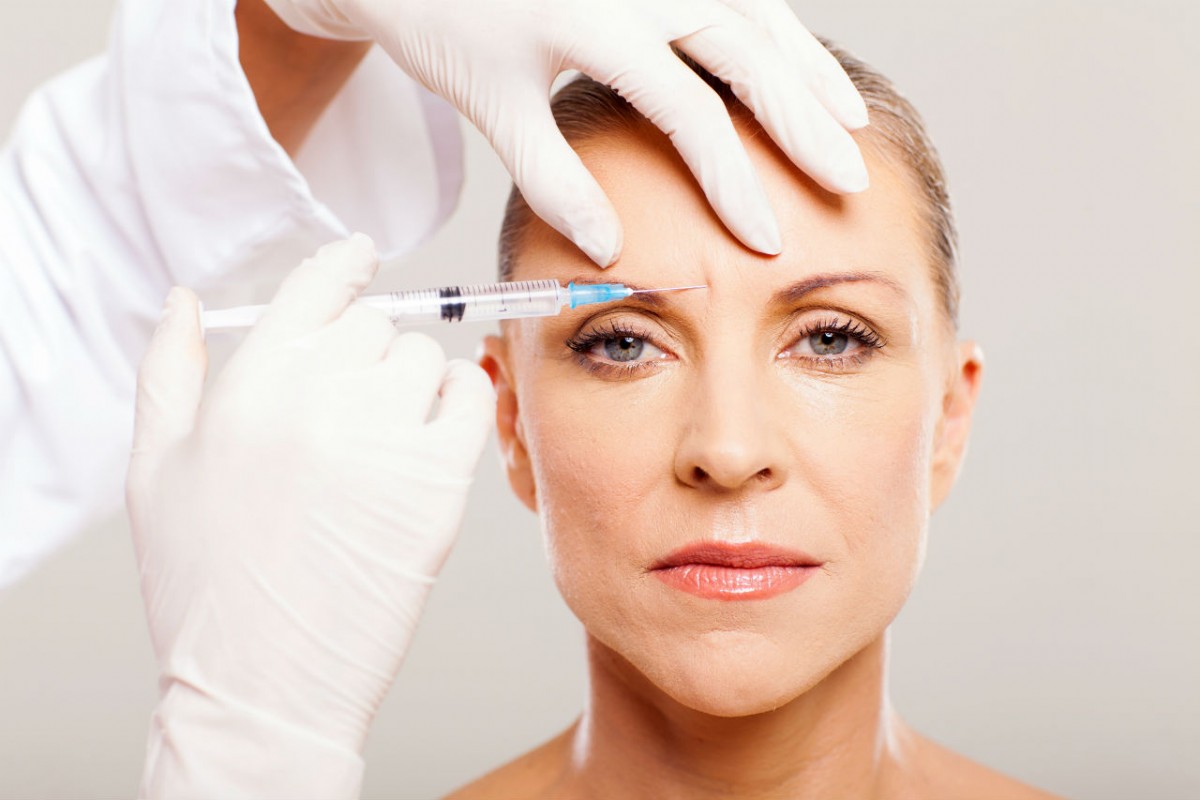
The most common reason doctors use Botox is to reduce facial wrinkles. However, Botox injections can also help treat other medical conditions, such as:
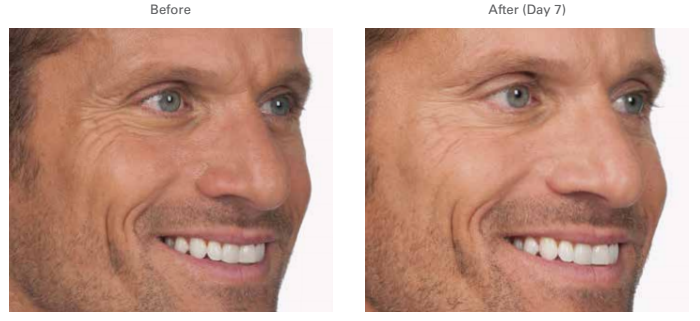
Botox takes only a few minutes to perform. You will not need anesthesia. Your cosmetic doctor will use a small needle to inject Botox into specific muscles, causing minimal pain or discomfort. It generally takes 7 to 14 days for the full effect to appear. It is best to avoid alcohol for at least one week before the procedure. You should also stop taking aspirin and anti-inflammatory medications two weeks before treatment to help prevent bruising.
For 24 hours, avoid rubbing the injection site to prevent spreading Botox to another area. Your doctor may also advise you to remain upright for 4 hours after the injection and to avoid exercise for one day.
The effects of Botox last for 3 to 6 months. As muscle activity gradually returns, lines and wrinkles reappear and need to be treated again. Over time, lines and wrinkles often appear less noticeable because the muscles are shrinking.
People who are pregnant, breastfeeding, or have a neurological disease should not use Botox. Since Botox is not effective for all types of wrinkles, consult your doctor first. If you are allergic to cow’s milk protein, you should not get Botox.
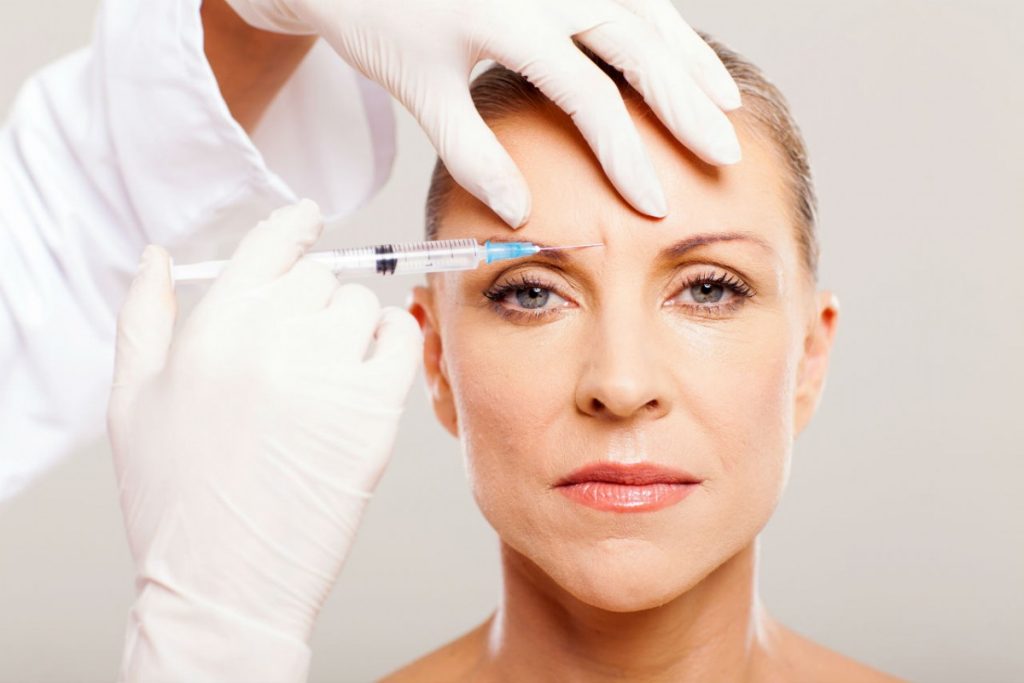
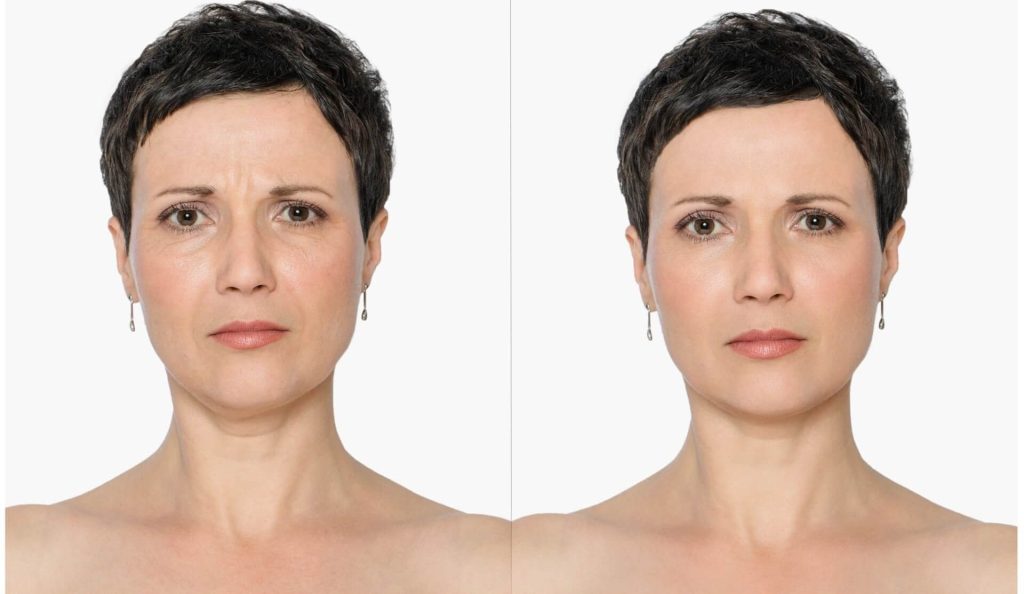
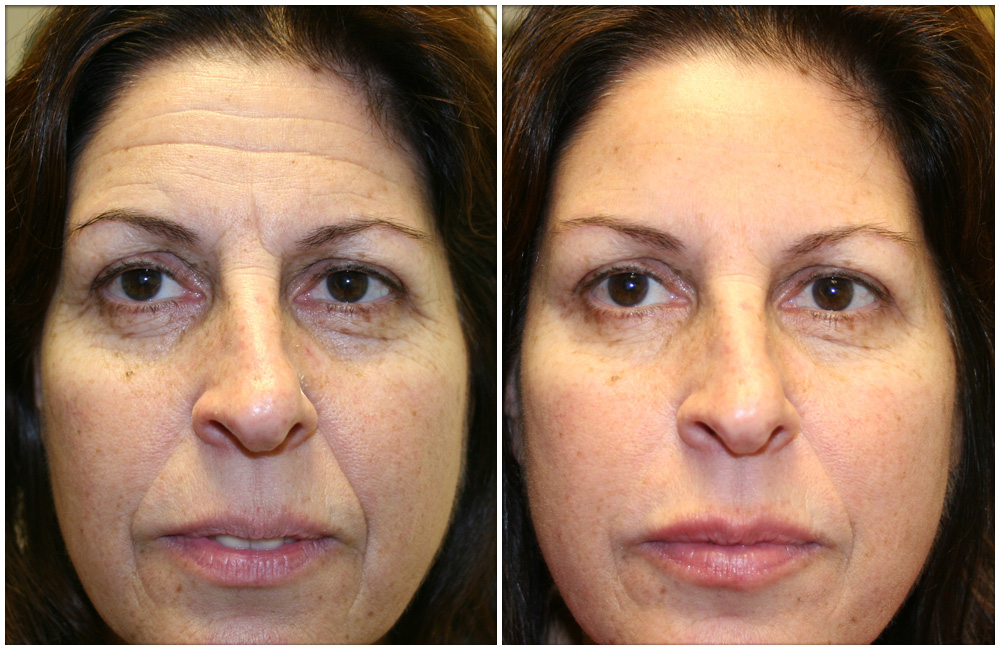
Frown lines develop gradually over time. Repeated movement of the facial skin by the muscles causes these lines to form between the eyebrows. They are not solely related to aging — frown lines are dynamic lines, created by the way a person’s face moves. Because they result from facial expressions such as frowning or squinting, they can appear even in younger adults.
The muscles above and between the eyebrows contract and tighten, which can lead to wrinkles. Botulinum toxin works by blocking the nerve signals that trigger these muscle contractions. This reduces muscle activity in the treated area and temporarily stops these muscles from contracting.
By selectively limiting certain muscles — such as those that cause eyebrow drooping — botulinum toxin can also achieve a subtle eyebrow lift. Using botulinum toxin as a method to lift the eyebrows is one of its most common applications.
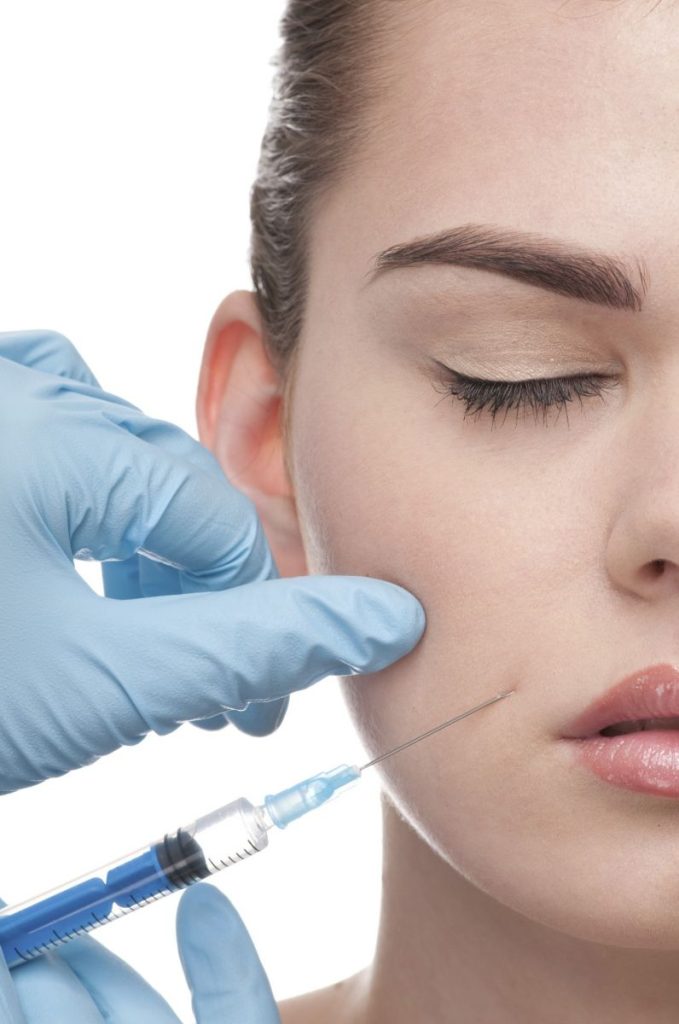
This is a practical procedure for the area near the cheekbone. The injection temporarily relaxes the targeted muscles. While it is most commonly thought of as a treatment for reducing wrinkles in that region, it has a wider range of applications. When used on the masseter muscles (located near the cheekbones), it can alter the shape of the face and help manage facial pain. This treatment is known as Masseter Botox.
Masseter Botox refers to the administration of Botox directly into the masseter muscle — one of the main muscles involved in chewing. This muscle sits along the side of the face and connects the cheekbone to the lower jawbone. Sometimes referred to as “jawline Botox,” the treated muscle remains relaxed after injection due to the temporary blocking of nerve signals in the area.
The uses of Masseter Botox may vary depending on individual needs. Common purposes include managing teeth grinding (bruxism), reducing jaw tension, easing facial pain and clenching, alleviating headaches, reshaping a square jawline, and achieving a more balanced facial contour. Before undergoing the procedure, a thorough evaluation should be conducted to ensure the patient is a suitable candidate for treatment.
Most people tolerate Botox injections well, and side effects are uncommon.
However, depending on the reason for treatment and the individual’s response, botulinum toxin can cause unwanted effects, including:
Depending on the type of treatment, there is a concern that the effects of Botox may spread beyond the injection site, potentially leading to symptoms such as difficulty breathing.
This risk may be higher in some people than in others, and genetic factors may play a role.
For more information, you can contact Dr. Narges Mikaniki’s clinic directly through the Contact Us page.