
Rhinoplasty Specialist
Rhinoplasty Specialist

Eyelid surgery, or blepharoplasty, is a procedure that alters the appearance of the upper eyelids, lower eyelids, or both. The goal is to improve the look of the area around the eyes and enhance vision that may be obstructed by drooping eyelids.
Blepharoplasty can address the following:
Before undergoing blepharoplasty, there are several important points to keep in mind:
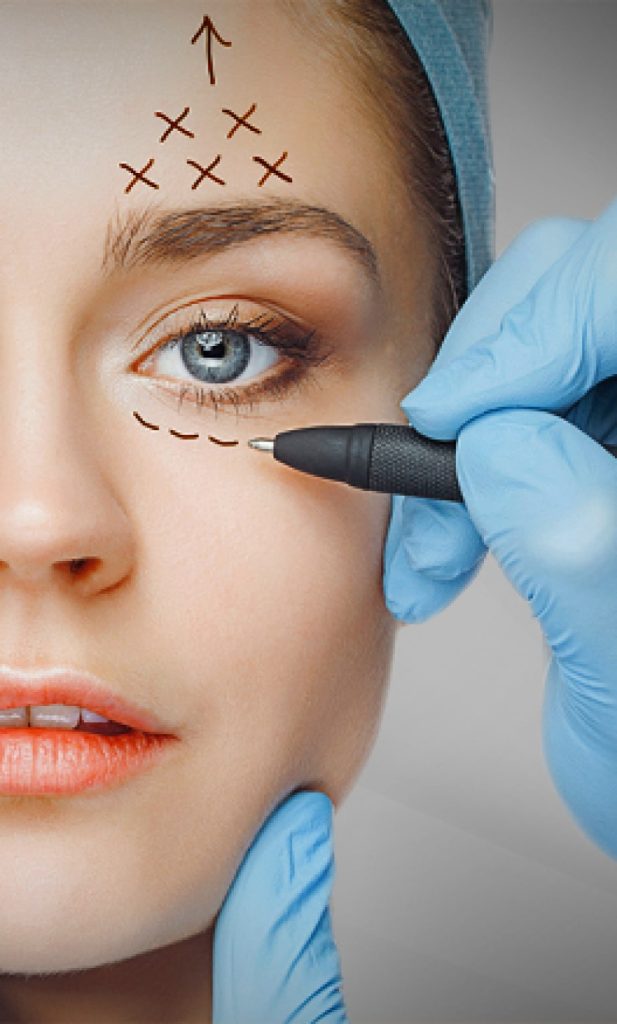
Before surgery, you should discuss a wide range of medical issues with your doctor or surgeon. For example:
Tissue adhesive, or fibrin sealant, can be used during surgery to hold layers of tissue together and reduce bruising after the procedure. It is made from human blood components derived from donated plasma. Before use, the plasma is screened for hepatitis, syphilis, and human immunodeficiency virus (HIV). The blood components are also heat‑treated to prevent possible virus transmission.
Tissue adhesive has been used for many years as a sealant in cardiovascular and general surgeries.
After the procedure, you can expect:
Follow your surgeon’s guidance; general at-home self-care recommendations include:
All surgeries carry some degree of risk. Some possible complications of blepharoplasty include:
This list is not exhaustive. For example, your medical history or lifestyle may put you at risk for other complications. You should speak with your surgeon for more information.

Swelling after surgery gradually decreases over time. Many people find that blepharoplasty makes a real difference in their appearance, especially if the upper eyelid skin was very loose or they had large bags under the eyes. Your final results will become apparent within a few weeks, but it may take up to a year for the incision lines to fully heal.
While blepharoplasty can be expected to permanently correct certain issues, you will still experience the effects of aging.