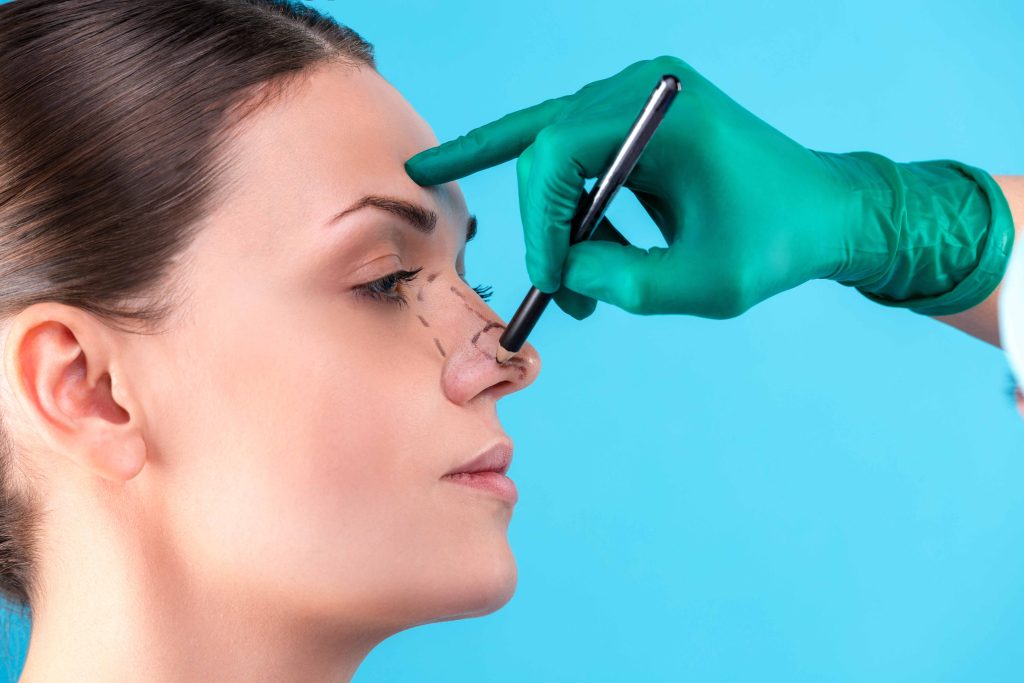
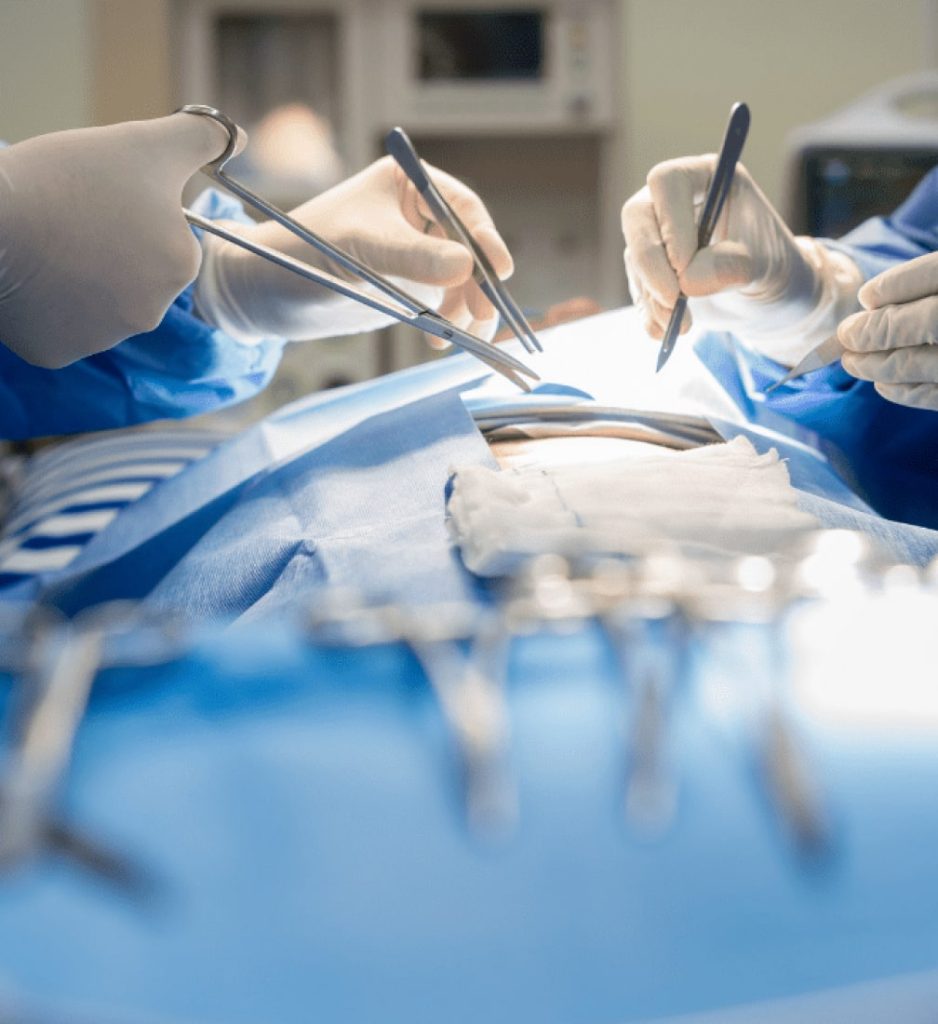
When a nose surgery doesn’t produce the expected results, you can consult an experienced cosmetic surgeon. Using the latest rhinoplasty techniques, your surgeon can repair the damage and enhance the outcome of your previous procedure.
Revision rhinoplasty is a highly complex procedure. Scar tissue and structural changes caused by earlier surgeries make the process even more challenging—rhinoplasty itself is already one of the most demanding operations in aesthetic medicine. To ensure a successful result, you need a surgeon with extensive experience in nasal surgery.
With years of expertise in this field, Dr. Narges Mikaniki offers exceptional care and delivers outstanding results to her patients.
What is revision nose surgery (revision rhinoplasty)?
Revision rhinoplasty is a nasal surgery performed on patients who have previously undergone rhinoplasty.
Revision surgery is considered one of the more difficult types of nasal surgery.
When surgery is performed on the nose, scar tissue forms, and the underlying structure of the nose changes.
Corrective rhinoplasty must repair the damage and work with the previous scar tissue and altered tissues to create a nose that is healthy both aesthetically and structurally.
Revision nose surgery is performed for many reasons, including:
The results of the previous rhinoplasty are not as expected
Further refinement of the nose after rhinoplasty
Trauma or facial injury after previous rhinoplasty
How is revision surgery carried out?
Revision rhinoplasty is often performed using the open technique.
Open rhinoplasty allows for better visualization and access to your nose.
An incision is made along the columella (the tissue that separates the nostrils), and the skin is lifted.
The cosmetic surgeon then shapes and corrects the nose.
Cartilage grafting is often required in corrective rhinoplasty.
Read more: Eyelid surgery (blepharoplasty)
Patients undergoing revision rhinoplasty may present with dorsal irregularities related to nasal bone asymmetry and residual bony humps, inverted-V deformity due to loss of support to the upper lateral cartilages, or a beak-shaped deformity caused by excessive scar tissue in the lower part of the nose.
Reconstruction using septal cartilage, ear grafts, and rib cartilage grafts may be necessary.
After surgery, the nose is placed in a protective splint to keep its delicate refinements in place during healing.
Before going home, patients spend several hours in recovery under close monitoring by a skilled nursing team.
Avoid heavy exercise until your surgeon clears you.
Recovery after revision rhinoplasty
After nose surgery, your nose may appear bruised, swollen, and tender.
Swelling after revision surgery is very common and usually more noticeable than after a first rhinoplasty.
Plan to take about one week off work for recovery.
From the day after surgery, many patients can resume basic daily activities.
Do this slowly and only as much as you feel comfortable and capable.
To help ensure your comfort, prescriptions for pain relief and antibiotics will be provided.
We also advise patients to rinse their nose with saline drops during the recovery period.
After discharge, you will need several follow-up visits with your surgeon, during which the following steps are typically performed:
Sutures and splints are usually removed five to eight days after surgery.
Avoid strenuous exercise, heavy lifting, and blowing your nose until your surgeon has cleared you.
Your nose will be highly sensitive to sunlight after cosmetic rhinoplasty—avoid direct sun exposure.
Following your recovery instructions closely is essential for achieving the best outcome from this procedure.
Common post‑rhinoplasty concerns may include excessive removal of underlying cartilage or abnormal healing with scar tissue.
Some patients may also experience complications after surgery.
For more details, please contact Dr. Mikaniki and the consultants via our
Contact Us page.