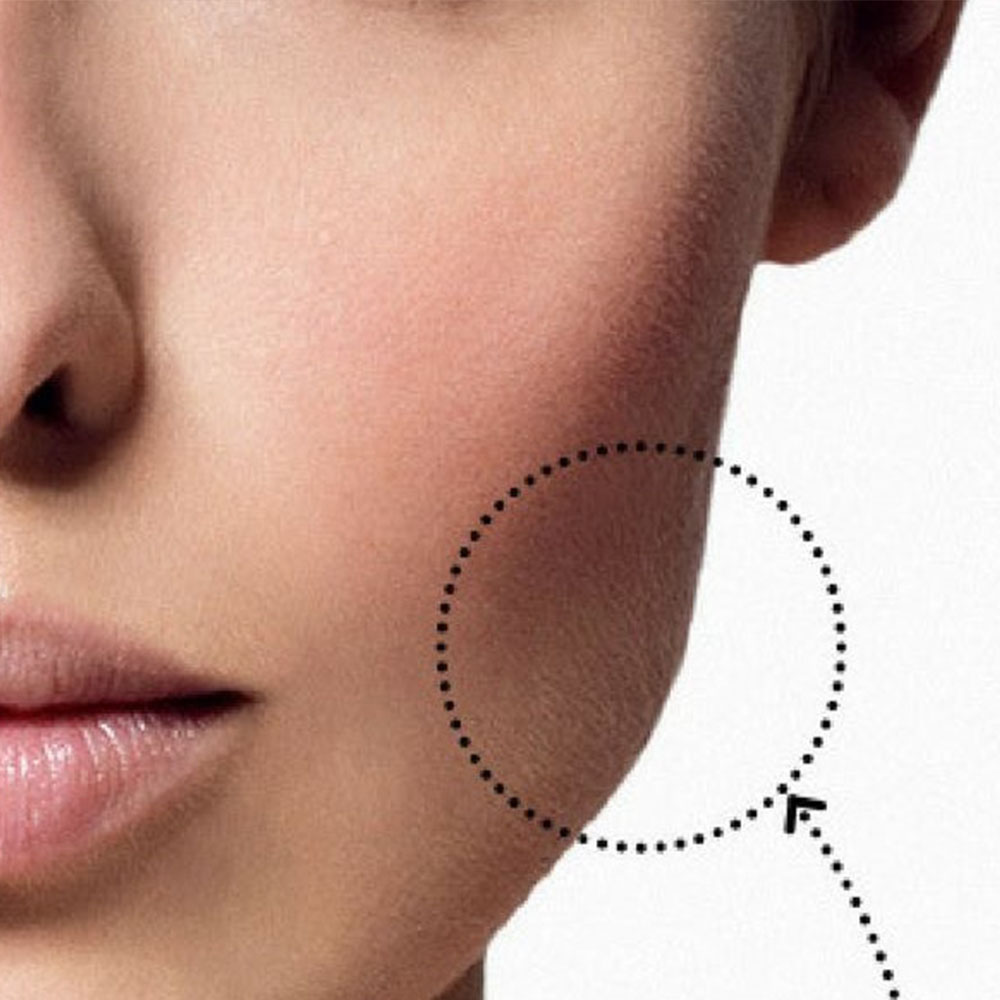
What is Buccal Fat Removal?
Buccal fat is the fat located between the cheekbone and the jaw that helps shape the contours of your face.
Everyone has buccal fat, but some people have more than others.
Buccal fat removal is a surgical procedure that removes fat from this area of the face.
Removing this fat can highlight your facial bone structure — especially the cheekbones and the hollow areas between the cheeks and jawline.
This procedure is sometimes referred to as cheek reduction surgery.
Who is a Good Candidate for Buccal Fat Removal?
Some people may feel that the roundness of their cheeks creates fullness in their face that they do not prefer.
Cheek reduction can reduce the appearance of fullness or “fat” in the cheeks if:
- You do not like the appearance of full cheeks.
- You are otherwise healthy and have a stable weight.
If your face is narrow or you are older, you may not be a good candidate for buccal fat removal,
as buccal fat naturally decreases with age. This surgery is usually performed by a cosmetic surgeon.
Pre‑Surgery Steps for Buccal Fat Removal
Before buccal fat removal surgery, you will meet with your doctor to discuss your goals for the procedure
and what to expect during and after surgery.
During the initial consultation, your doctor will examine you and may take photographs of your face.
You will be asked general questions about your overall health, such as your family medical history and any previous surgeries.
Your doctor will record basic health information such as your blood pressure and discuss any medications you are currently taking.
It is important to tell your doctor about all medications, including herbal remedies and supplements.
For the best results, you may be asked to stop smoking or using tobacco products before surgery.
During this time, your doctor will answer any questions you have, explain what to expect during surgery,
offer recommendations tailored to your specific goals, and discuss the risks of the procedure.
How is Buccal Fat Removal Performed?
Buccal fat removal can be performed in a hospital or in your surgeon’s office, and you will go home the same day.
During the procedure, you can expect:
- You will receive a local anesthetic to numb your face so you do not feel pain.
You will remain awake during the procedure.
If you are having more than one procedure at the same time, you may receive general anesthesia.
If general anesthesia is used, your provider will ask you to arrange transportation afterward.
- Your cosmetic surgeon will make a small incision inside your mouth on each side of your face to expose the buccal fat pads.
- The surgeon will gently press on the fat pads to make them more visible, then cut and remove them.
- Finally, the incisions will be closed with stitches.
Your doctor will let you know if you need to return to have the stitches removed.
After Buccal Fat Removal
After surgery, your surgeon will explain how to care for the incisions.
You may be given a special mouth rinse to aid healing and prevent infection.
While your incisions begin to heal, you will be on a liquid diet for one or two days.
Gradually, as your doctor advises, you can add soft foods to your diet.
Common things you may experience after surgery include:
- Swelling
- Bruising
- Numbness at the incision sites
These effects should gradually fade as your body heals.
Recovery time is usually about three weeks, but it may take several months to see the final results.
What Are the Risks of Buccal Fat Removal?
As with any surgery, you should weigh the potential risks and benefits.
Your doctor will discuss these risks with you so you can make an informed decision.
Possible risks include:
- Infection at the incision site
- Injury to facial nerves or the salivary duct
- Numbness or altered sensation
- Asymmetry
Recovery Time
After the procedure, your doctor will give you instructions to promote healing.
Following your surgeon’s aftercare guidance, including attending follow‑up appointments, is important.
Recovery usually takes about three weeks, but final results may take several months to appear.
When Can I Resume Normal Activities?
Once your doctor says it is safe — usually after a few days to a week — you can return to your normal activities,
such as work, driving, or exercise.
When Should I Contact My Doctor?
Buccal fat removal is generally safe, but you should contact your doctor immediately if you experience:
- Excessive bleeding
- Any signs of infection, such as warmth, redness, pus, or fever
- Asymmetrical results or poor healing
- An unusual taste in your mouth or suspected salivary gland injury
Questions to Ask Your Surgeon About Buccal Fat Removal:
- Am I a good candidate for cheek reduction surgery?
- Do you have before‑and‑after photos of this procedure?
- What are the risks of this surgery?
- What is the recovery time?
- Will this procedure leave scars?
- What changes can I expect over time after buccal fat removal?
- What should I do if I experience complications?
- If things do not go as planned, what complications might occur?
For consultation and more information, please visit the
Contact Us
page.