
Rhinoplasty Specialist
Rhinoplasty Specialist
Fat injection, also known as facial fat injection or facial fat grafting, can be an effective way to reduce wrinkles, diminish acne scars, and restore a more youthful appearance. Cosmetic surgeons, such as Dr. Narges Mikaniki at the Aesthetic Surgery Center, enhance facial volume by injecting human fat harvested from your own body. This procedure fills deep folds, softens facial wrinkles, plumps the lips, and refines shallow lines.

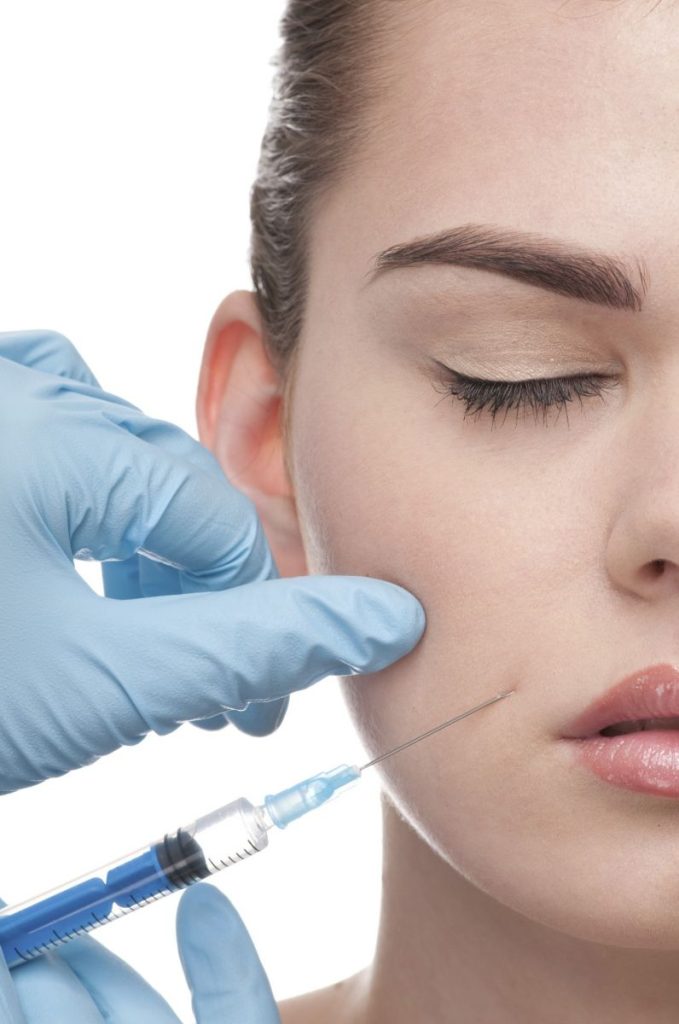
Unlike other cosmetic injectable materials made from synthetic products, fat injection does not carry the risk of allergic reaction because the fat tissue is taken from your own body. While fat grafting does not stop the aging process, enhancing the face with your own fat may delay the need for more invasive procedures such as a facelift, forehead lift, brow lift, or other types of surgery. Fat injection is also a useful complement to other cosmetic surgical procedures.
The best way to determine whether you are a candidate for fat grafting is to consult with a cosmetic surgeon.
Fat injection is a good option if:
Fat injection is a more extensive procedure than the use of other cosmetic injectable fillers, as liposuction techniques are involved. These techniques are used to harvest fat before it is injected.
While fat grafting is generally a non-surgical procedure usually performed under local anesthesia, if a larger amount of fat is harvested through liposuction methods, local anesthesia combined with sedation may be required.
Preparation for fat injection may include:
You will see immediate results from your fat injection, and the treated areas may initially appear larger than expected due to swelling.
Over time, the swelling will subside, and you will usually be able to see your actual results within three to four months. After this period, your body’s metabolism may gradually absorb some of the fat in the injected areas.
In general, about half of the injected fat is reabsorbed by the body within three to six months. Follow-up with your surgeon is the best way to ensure long-lasting results.
Read more:
Individuals who undergo fat injection can usually return to their normal daily routine immediately after the procedure. Bruising, swelling, or redness is expected in both the donor area and the injection site, but these effects typically last only a few weeks.
The recovery period may be longer depending on whether liposuction was used and how much fat was removed. During recovery, you should avoid sun exposure, and you may choose to use UV-protective makeup to conceal and protect the treated areas.
All surgical procedures carry some risks. Potential complications of fat injection include:
It’s worth noting that these complications are very rare.