
Rhinoplasty Specialist
Rhinoplasty Specialist
The primary goal of preservation rhinoplasty is to maintain as much of the patient’s original bone and cartilage as possible, while improving the overall appearance of the nose. This approach results in a naturally pleasing, “unoperated” look and is now considered one of the most modern techniques in nasal surgery,
A method whichDr. Narges Mechaniki Performs
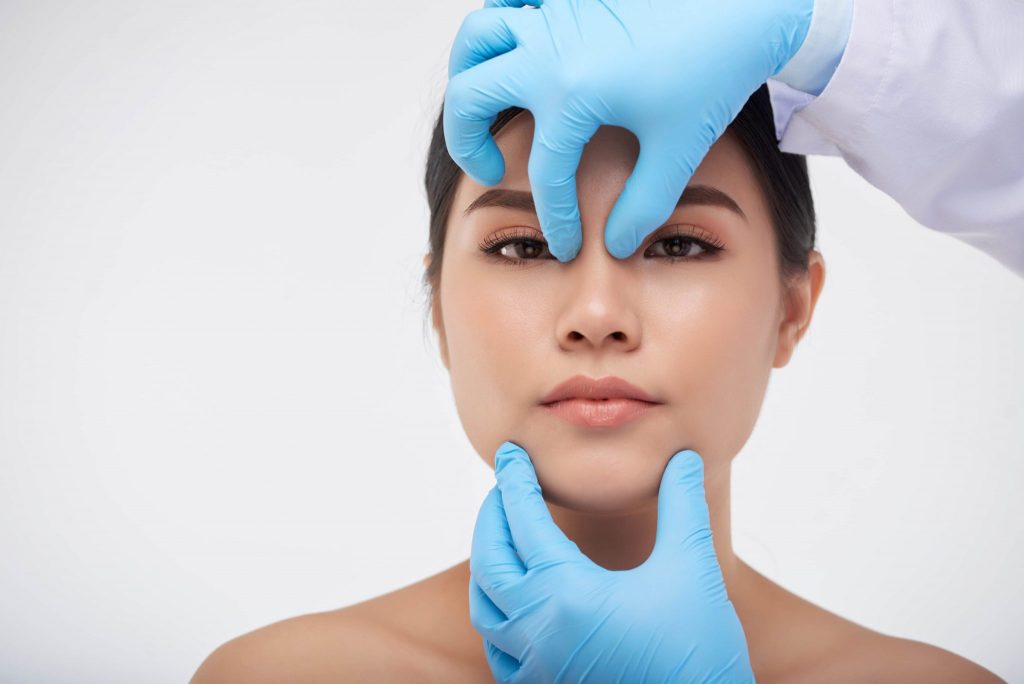
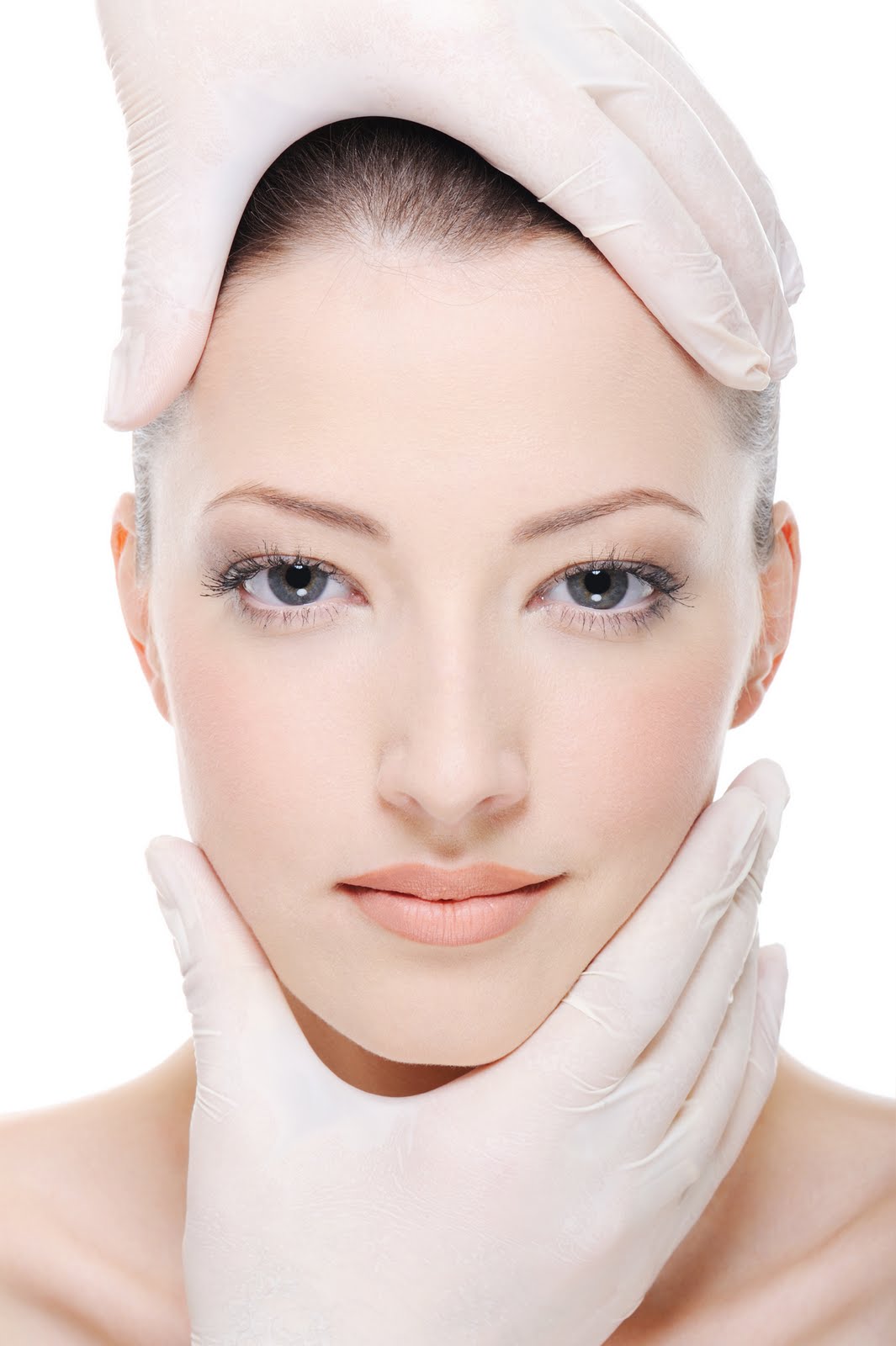
Read more: Revision Rhinoplasty
Another advantage of modern rhinoplasty lies in the location on the nose where the surgeon operates. In traditional rhinoplasty, the surgeon must work on the soft tissue to remove bone and cartilage. This soft tissue contains blood vessels and lymphatic vessels responsible for circulation and healing. Modern rhinoplasty is performed in a different part of the nose, where the surgeon does not need to interfere with the soft tissue during the procedure. This added benefit allows for faster and more efficient recovery compared to preserved rhinoplasty, as it does not disrupt blood supply to the area.
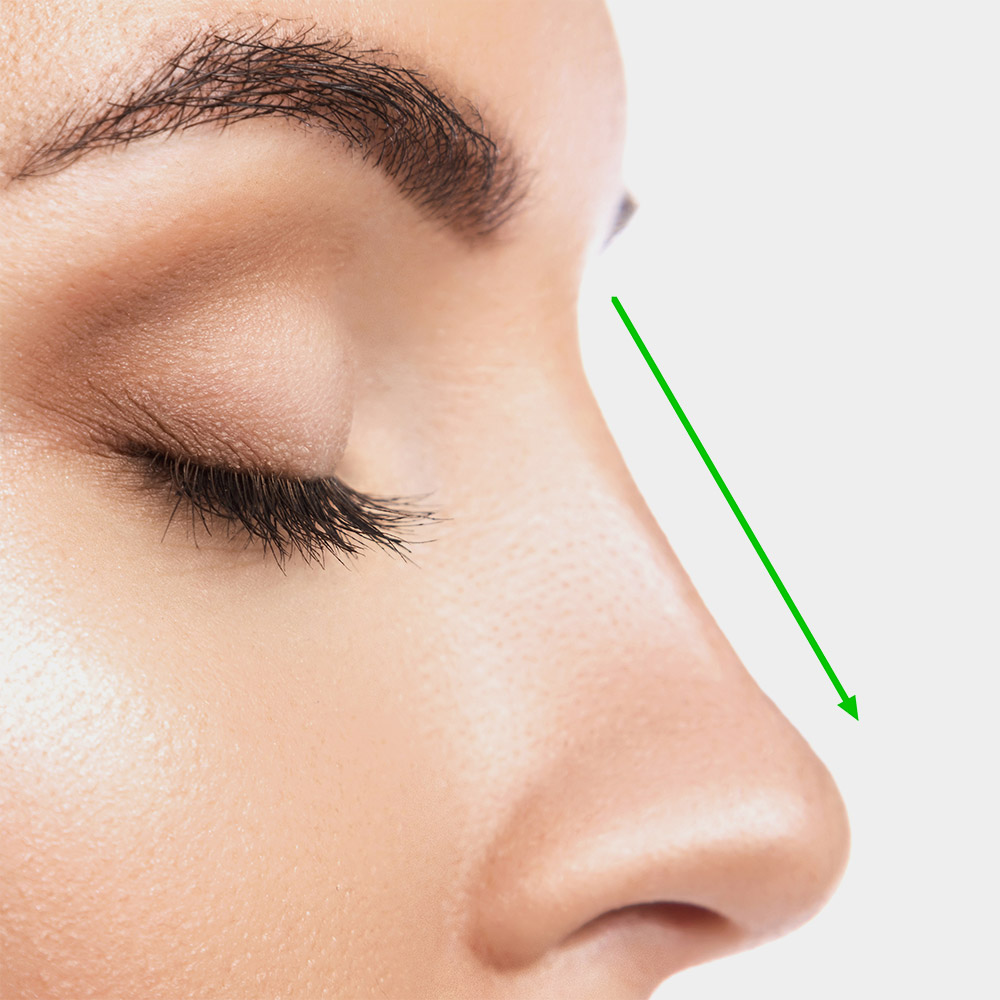
Before undergoing cosmetic nose surgery, you can expect your surgeon to recommend adequate rest, a healthy diet and planning for your recovery. Patients should also stop smoking at least six weeks before the operation, as smoking hinders healing. Nicotine is a vasoconstrictor that restricts blood flow and circulation in the skin, thereby impairing the body’s ability to heal after surgery.
On the day of your surgery, you can expect a final, last‑minute consultation with your doctor to ensure everything is exactly right and to clarify any questions you may have. Once you’re ready, the attending anesthesiologist will administer general anesthesia, and your surgeon will begin the rhinoplasty. The procedure usually takes between one and two hours.
Once your surgeon has completed the procedure, splints along with protective gauze will be placed on your nose. A nurse will closely monitor you in the surgical center as you wake up from anesthesia. When it is safe for you to return home, you can begin your crucial six‑week recovery period.
The first six weeks after rhinoplasty are vital for a full recovery. Your surgeon will give you clear instructions for this period, and you’ll have a follow‑up appointment one week after surgery to check your progress. During the first week, it’s best to rest completely at home. For the first two days, you’ll wear a nasal drip pad to control bleeding, and you’ll need to start using a nasal rinse right after surgery, continuing for three months. Recovery isn’t something to take lightly — but if you follow your surgeon’s advice, you can look forward to a smooth and successful healing process.
Most patients return to work about 10 days after surgery. Depending on the nature of your job, you may be able to resume light duties a little earlier. It’s best to discuss this with your surgeon.
Patients should wait about three to four weeks after surgery before resuming their regular exercise routine. For the first two days, physical activity should be limited; after that, you may begin moving around at home and performing light daily tasks.
After the first week, gentle outdoor walking may be possible, but this depends entirely on the progress of your healing. It’s best to err on the side of caution and allow your body more time than you think it needs for proper recovery following cosmetic rhinoplasty.
Rest not only supports achieving the best possible results from your surgery, it also minimizes the risk of complications during the healing process.